
Optimal Timing for Water Treatments
Proper timing of water treatments is essential to ensure water quality and system efficiency. The optimal time for water treatments depends on factors such as water usage patterns, seasonal changes, and water source quality. Regular assessments help determine the best intervals for treatment to prevent issues like scaling, corrosion, and microbial growth.
Spring and fall are ideal for comprehensive water system evaluations and treatments to prepare for seasonal variations.
Perform water treatments before peak usage times to ensure system reliability and water quality.
Treat water systems after repairs or upgrades to eliminate contaminants and restore optimal performance.
Regular testing guides the timing of treatments, ensuring water remains within safe and desired parameters.
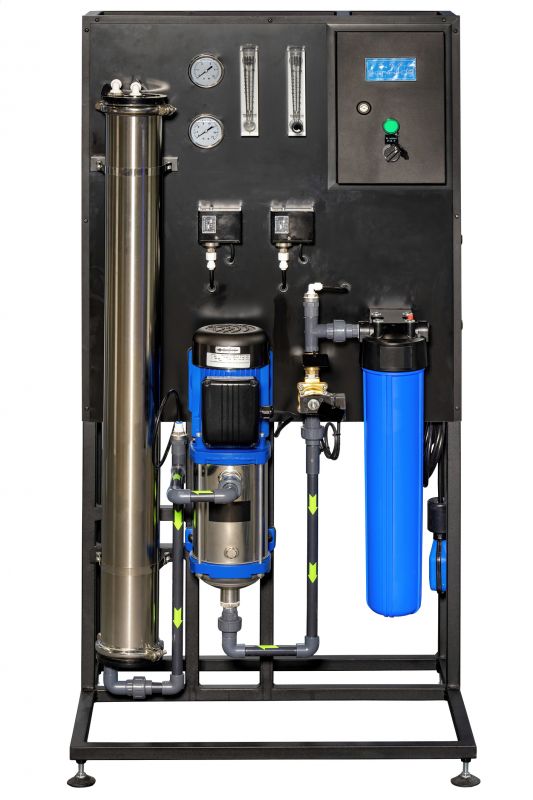
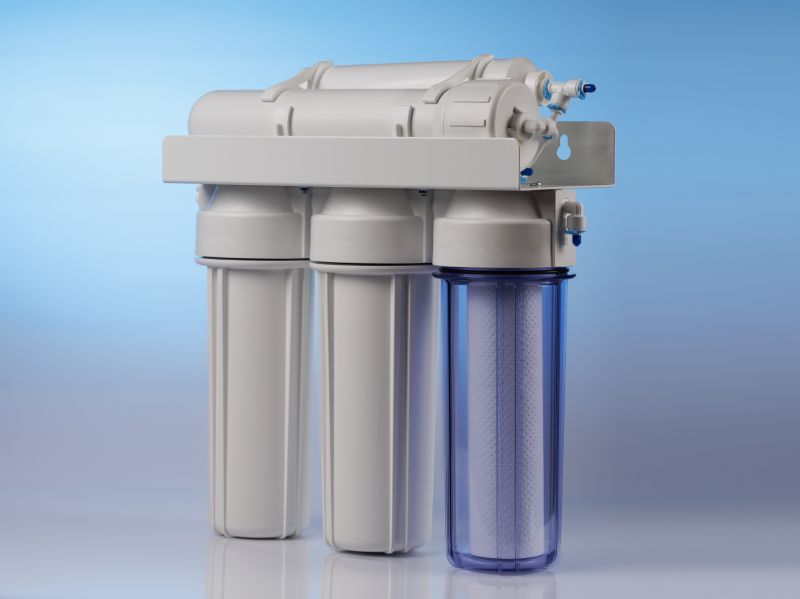
Various systems are used to treat water, including filtration, disinfection, and conditioning units.
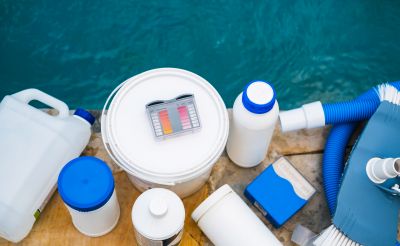
Chemicals like chlorine and pH adjusters are applied to control microbial growth and corrosion.
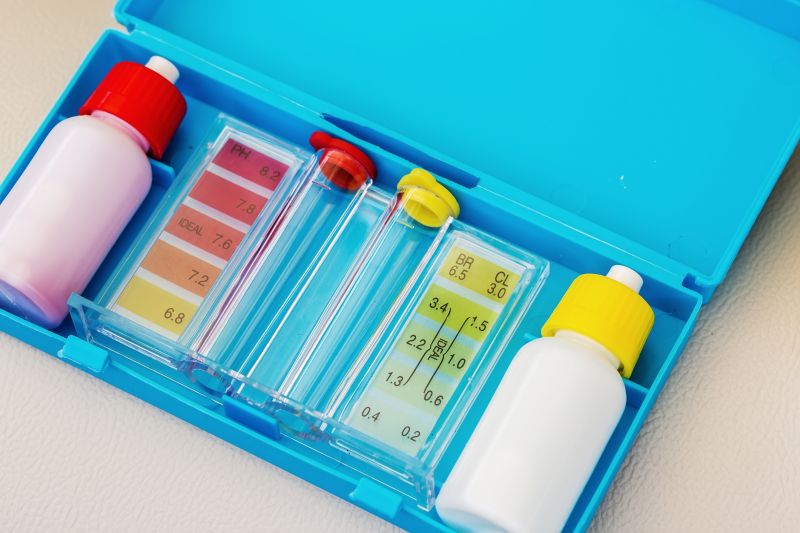
Testing kits help monitor water quality and determine the need for treatment.
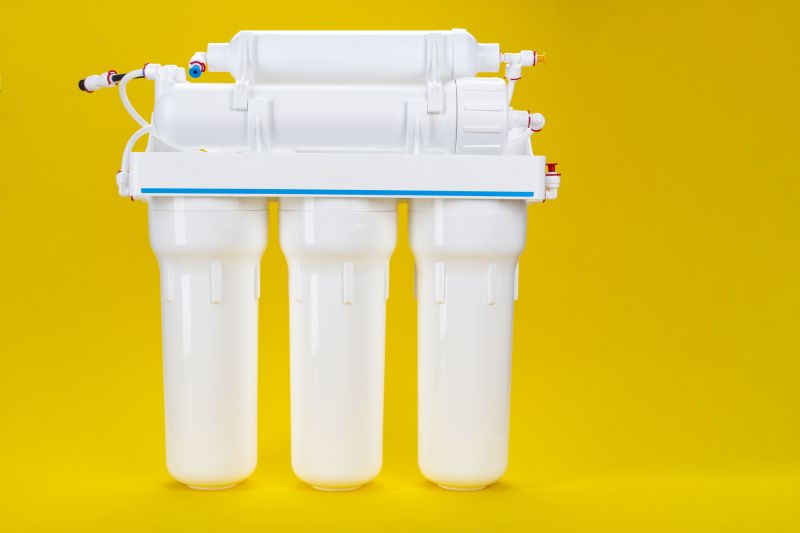
Ways to make Water Treatments work in tight or awkward layouts.

Popular materials for Water Treatments and why they hold up over time.
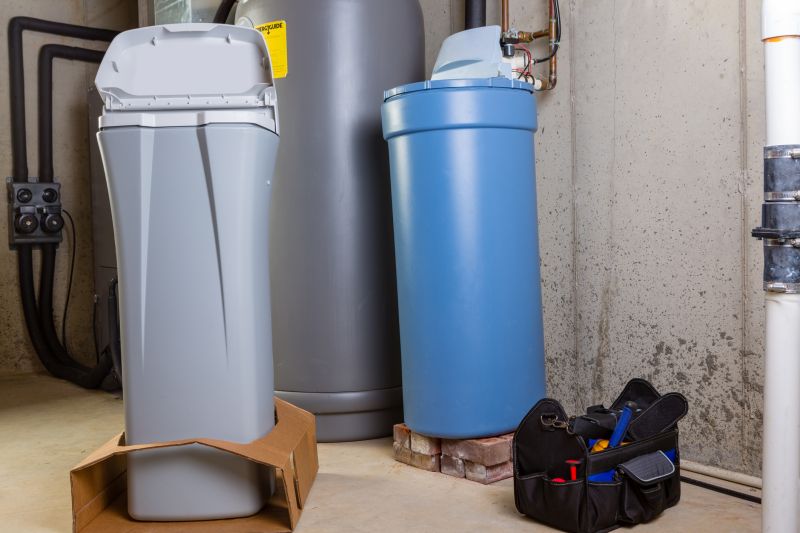
Simple add-ons that improve Water Treatments without blowing the budget.
| Timing Aspect | Details |
|---|---|
| Seasonal Changes | Adjust treatments based on temperature and water source variations. |
| Water Usage Peaks | Schedule treatments before high-demand periods to maintain quality. |
| Water Source Variability | Respond promptly to changes in water source quality. |
| System Repairs | Treat water after repairs to eliminate contaminants. |
| Routine Monitoring | Implement regular testing to inform treatment timing. |
| Pre-Season Preparation | Treat water systems before seasonal increases in use. |
| Post-Installation | Treat new or repaired systems immediately after installation. |
Water treatments play a vital role in maintaining water quality and protecting plumbing systems. Proper timing ensures that treatments are effective and resources are used efficiently. Regular assessments and adherence to recommended schedules help prevent issues such as mineral buildup, corrosion, and microbial contamination.
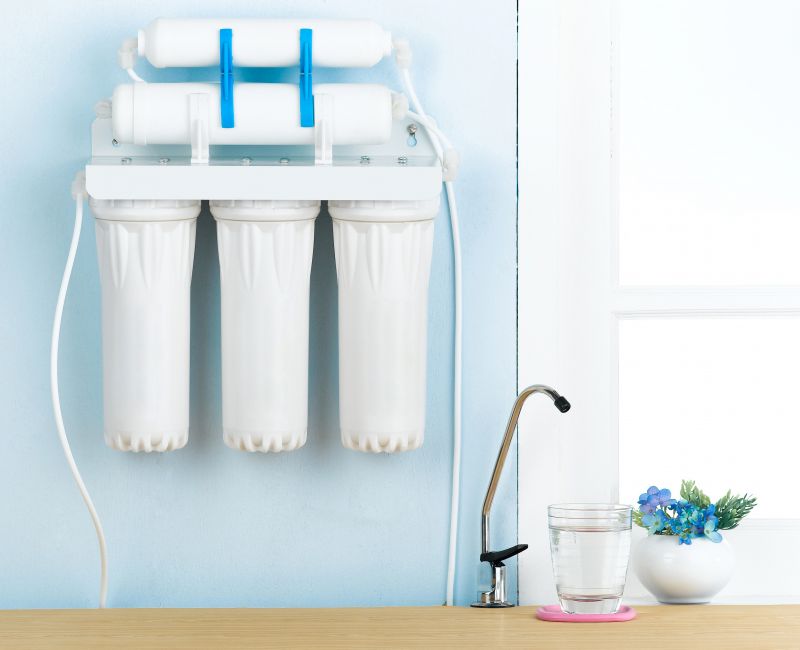
Filtration units remove particulates and improve water clarity.
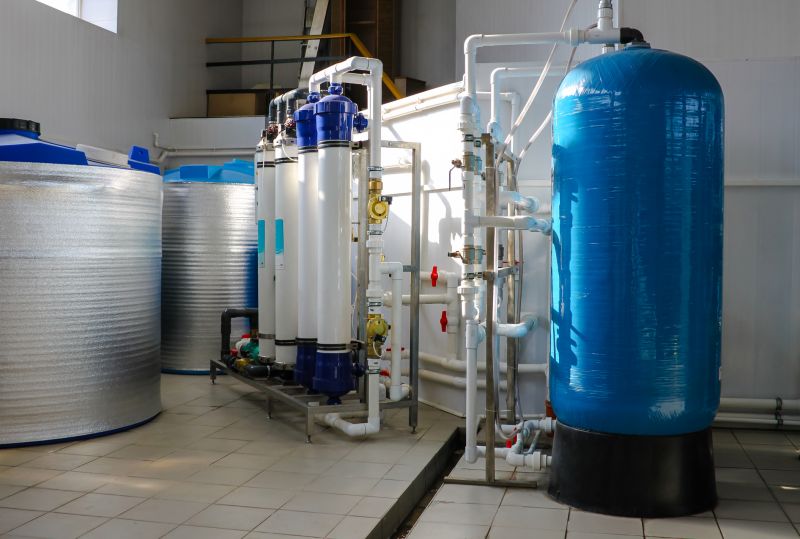
UV and chlorination systems eliminate harmful microorganisms.
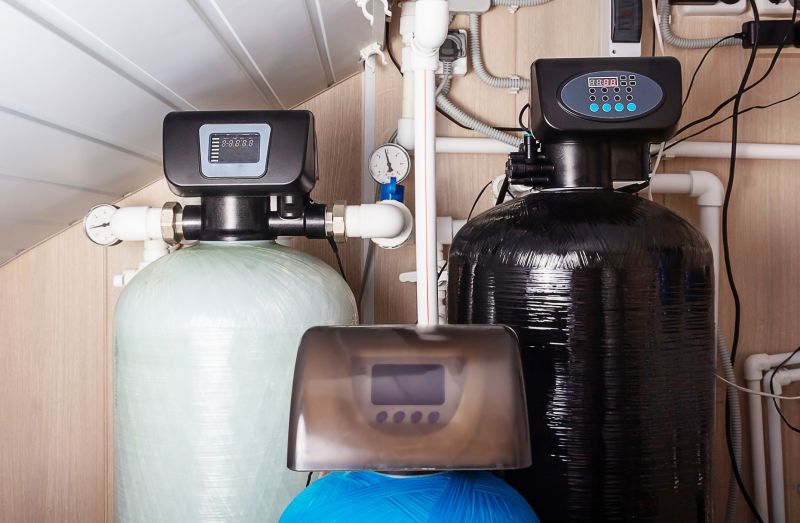
Softening reduces mineral content to prevent scale buildup.
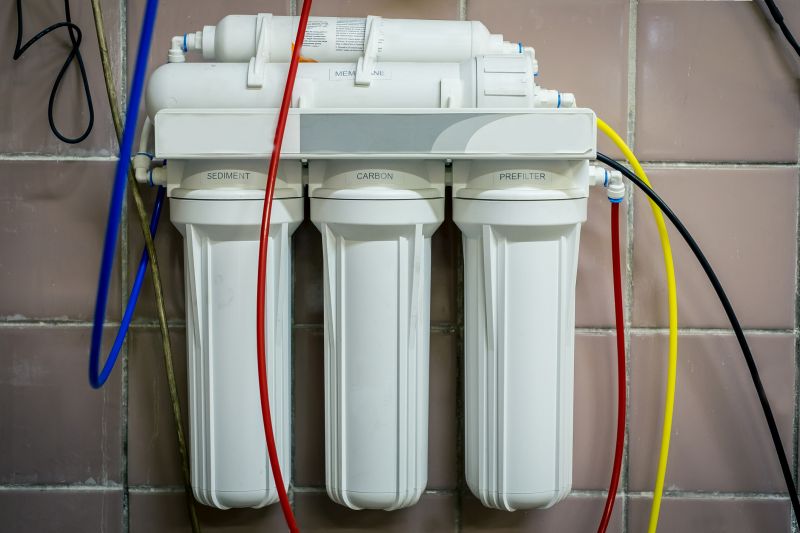
Automated systems add treatment chemicals precisely when needed.
High-end options that actually feel worth it for Water Treatments.
Finishes and colors that play nicely with Water Treatments.
Timely water treatments help extend the lifespan of plumbing infrastructure and ensure water safety. Professionals recommend scheduling treatments based on water testing results and system requirements to optimize performance and compliance.